
Table of Contents
ToggleIn this guide, we’ll explore how to select the best dock leveler for your warehouse by examining key factors, features, and options available in the market.
What is a Dock Leveler and Why is it Important?
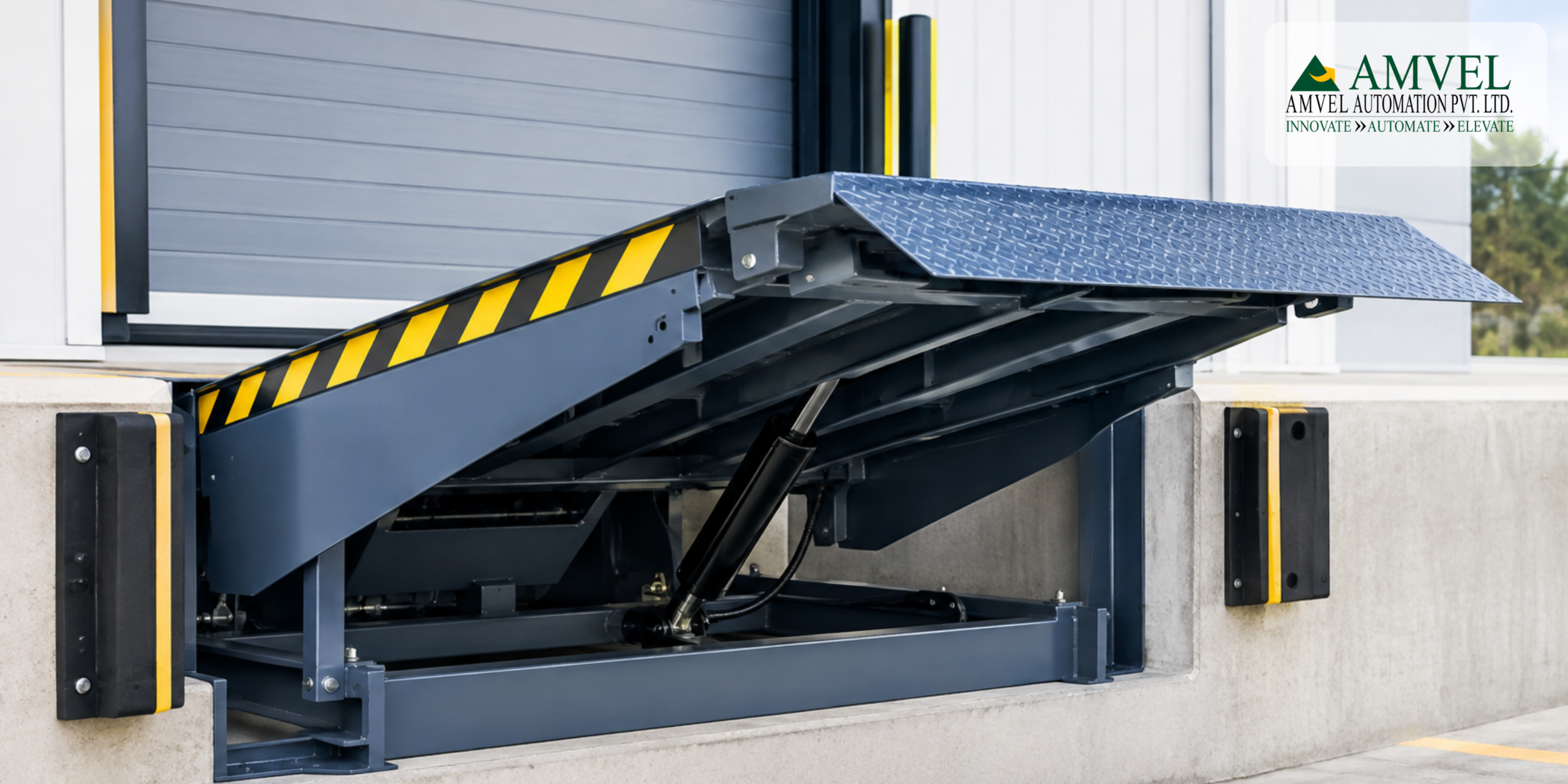
A dock leveler is a bridging device installed at loading docks to connect the dock and the transport vehicle. This allows forklifts, pallet jacks, and other equipment to move goods in and out of trailers safely and efficiently.
Key Benefits of Dock Levelers:
- Increased Efficiency: Smooth transitions reduce loading and unloading times.
- Enhanced Safety: Reduces risks of accidents caused by uneven platforms.
- Durability: Modern dock levelers withstand heavy loads and constant use.
- Cost-Effectiveness: Saves money by reducing labor costs and equipment damage.
For a detailed overview of different docking solutions, check out our docking systems page.
Types of Dock Levelers
Understanding the different types of dock levelers is crucial in making the right choice. Here are the most common options:
1. Hydraulic Dock Levelers
- Description: Powered by hydraulic systems, these dock levelers automatically adjust to the required height.
- Ideal For: High-traffic warehouses needing consistent performance.
- Pros:
- Requires minimal manual effort.
- Provides smoother operation.
- Handles heavy-duty loads with ease.
2. Mechanical Dock Levelers
- Description: Operated manually using a pull chain or lever.
- Ideal For: Warehouses with lower budgets or lighter traffic.
- Pros:
- Cost-effective.
- Durable and straightforward to maintain.
- Cons:
- Requires more physical effort than hydraulic options.
3. Air-Powered Dock Levelers
- Description: Uses an airbag system to raise and lower the platform.
- Ideal For: Applications requiring reduced maintenance and environmental friendliness.
- Pros:
- Energy-efficient.
- Smooth operation and reduced noise.
- Long lifespan with minimal upkeep.
4. Edge-of-Dock Levelers
- Description: Installed at the dock’s edge, suitable for small height adjustments.
- Ideal For: Low-volume operations with less variation in trailer heights.
- Pros:
- Quick installation and lower cost.
- Compact design, ideal for limited spaces.
Comparison Table: Dock Leveler Types
| Feature | Hydraulic | Mechanical | Air-Powered | Edge-of-Dock |
| Cost | High | Low | Medium | Low |
| Ease of Use | Excellent | Moderate | Excellent | Moderate |
| Maintenance Needs | Low | Moderate | Low | Low |
| Durability | High | High | High | Medium |
Dock Leveler for Warehouses
A dock leveler is an essential tool for warehouses, bridging the gap between a truck bed and the loading dock. It ensures smooth and safe loading and unloading of goods, especially when vehicles come with varying heights. For warehouses handling large volumes of shipments daily, dock levelers improve efficiency by minimizing delays and protecting goods from damage.
Modern dock levelers are designed to withstand heavy loads and are equipped with safety features like anti-slip surfaces, automatic locking systems, and hydraulic mechanisms. These features make operations safer for workers while reducing the risk of accidents.
In addition to enhancing productivity, dock levelers contribute to cost savings by lowering the chances of goods or equipment damage. They are available in various models, including hydraulic, mechanical, and air-powered, to suit different warehouse needs.
By investing in a reliable dock leveler, warehouses can streamline their logistics processes, ensure worker safety, and enhance overall operational efficiency. Whether handling pallets, containers, or fragile items, dock levelers are an indispensable asset for modern warehousing.
Key Factors to Consider When Choosing a Dock Leveler
Selecting the right dock leveler requires evaluating specific factors related to your warehouse operations. Let’s break down these key considerations.
1. Load Capacity
Understanding the weight and frequency of loads is critical when choosing a dock leveler. Overloading a leveler can lead to mechanical failures, increasing downtime and repair costs.
- Light-Duty Operations: For smaller loads and occasional use, a mechanical or edge-of-dock leveler may suffice.
- Heavy-Duty Operations: Warehouses with frequent, high-weight loads (e.g., forklifts carrying pallets) benefit from hydraulic or air-powered dock levelers.
Tip: Always choose a dock leveler with a load capacity 20% higher than your heaviest anticipated load for added safety.
2. Dock Height and Trailer Variability
The height difference between your loading dock and incoming trailers can affect leveler choice. For example:
- Consistent Trailer Heights: Edge-of-dock levelers are suitable.
- Variable Heights: Opt for hydraulic or air-powered dock levelers, which adjust seamlessly.
3. Climate and Environmental Conditions
Warehouses operating in extreme weather conditions should select levelers designed to withstand those challenges. For instance:
- Cold Climates: Look for models with anti-freeze hydraulic fluid or durable materials resistant to ice.
- Dusty or Wet Environments: Air-powered dock levelers are a better fit due to their low-maintenance design.
4. Frequency of Use
High-traffic warehouses need reliable and efficient dock levelers that can withstand frequent use without breaking down. Hydraulic dock levelers are ideal for such operations. However, for less frequent loading, mechanical levelers offer a cost-effective alternative.
5. Safety Features
Safety is non-negotiable in warehouse operations. Modern dock levelers come equipped with features to enhance protection:
- Anti-Slip Platforms: Prevents slips, especially during wet or icy conditions.
- Lip Locks and Safety Stops: Keeps the leveler securely in place.
- Emergency Stop Buttons: Hydraulic and air-powered options often include this feature for quick halts.
6. Installation and Maintenance
Ease of installation and maintenance should be part of your decision-making process.
- Hydraulic Levelers: Require professional installation but offer lower long-term maintenance.
- Mechanical Levelers: Easier to install but demand regular lubrication and adjustments.
7. Budget
While it’s tempting to opt for the cheapest option, consider the total cost of ownership, including maintenance and downtime. A high-quality hydraulic dock leveler might cost more upfront but will save money in the long run.
“Investing in the right dock leveler isn’t just about cost. It’s about efficiency, safety, and reliability,” says industry expert Amvel Automation.
Visualizing Your Requirements: A Checklist
| Factor | Your Needs | Recommended Type |
| Load Weight and Frequency | High/Medium/Low | Hydraulic/Air-Powered/Mechanical |
| Dock-Trailer Height Variance | High/Medium/Low | Hydraulic/Air-Powered/Edge-of-Dock |
| Environmental Conditions | Wet/Dusty/Cold/Stable | Air-Powered/Hydraulic |
| Budget | High/Medium/Low | Hydraulic/Mechanical |
Types of Dock Levelers and Their Features
When choosing a dock leveler, understanding the various types and their features can help you align the product with your warehouse’s needs. Below are the most common types of dock levelers, along with their key advantages.
1. Mechanical Dock Levelers
These are manually operated levelers that use a system of levers and springs. They are cost-effective and suitable for light-to-medium-duty applications.
Key Features:
- Low Initial Cost: Ideal for budget-conscious operations.
- Manual Operation: No reliance on electricity or hydraulics.
- Durable Construction: Built to last in less demanding environments.
Best For: Warehouses with infrequent loading/unloading activities and stable trailer heights.
2. Hydraulic Dock Levelers
Hydraulic dock levelers are powered by hydraulic systems, making them reliable and easy to operate with minimal physical effort.
Key Features:
- Push-Button Operation: Simplifies the loading process.
- Higher Load Capacity: Handles heavy-duty operations effortlessly.
- Enhanced Safety Features: Emergency stops and automatic lip locks are common.
- Low Maintenance: Durable components reduce wear and tear over time.
Best For: High-traffic warehouses requiring robust and efficient solutions.
3. Air-Powered Dock Levelers
Air-powered dock levelers use an inflatable airbag system to raise and lower the platform. These levelers are known for their simplicity and eco-friendliness.
Key Features:
- Environmentally Friendly: Reduced energy consumption compared to hydraulic systems.
- Low Maintenance: No springs or hydraulics to maintain.
- Versatile Performance: Suitable for dusty or wet environments.
Best For: Warehouses operating in harsh environmental conditions or with moderate traffic.
4. Edge-of-Dock Levelers
Edge-of-dock levelers are mounted directly on the dock face, offering a compact and cost-effective solution.
Key Features:
- Space-Saving Design: Perfect for warehouses with limited space.
- Quick Installation: Faster to set up compared to other types.
- Cost-Effective: Economical option for consistent trailer heights.
Best For: Small to medium-sized warehouses with predictable trailer docking requirements.
Comparison Table: Dock Leveler Types
| Type | Operation | Cost | Maintenance | Best For |
| Mechanical | Manual | Low | Moderate | Low-traffic warehouses |
| Hydraulic | Powered by hydraulics | High | Low | Heavy-duty, high-traffic environments |
| Air-Powered | Inflatable airbag | Medium | Low | Wet or dusty conditions |
| Edge-of-Dock | Mounted on dock face | Low | Low | Predictable trailer heights |
Considerations for Specialized Needs
Some industries require specialized dock levelers tailored to unique operational requirements. For example:
- Cold Storage Facilities: Insulated levelers prevent energy loss and maintain temperature control.
- High-Security Operations: Dock levelers with integrated security features deter unauthorized access.
“Choosing the right dock leveler isn’t just about efficiency. It’s about adapting to the nuances of your business,” says Amvel Automation.
Factors to Consider When Choosing a Dock Leveler
Selecting the right dock leveler involves more than just understanding the types available. You need to evaluate specific factors to ensure the dock leveler meets your operational, safety, and budgetary requirements. Here’s what you should consider:
1. Load Capacity Requirements
The load capacity of a dock leveler determines its ability to handle the weight of goods, forklifts, and other equipment. Overloading a leveler can lead to structural damage and safety risks.
- Light-Duty Operations: Ideal for warehouses handling lighter pallets or small packages.
- Medium-Duty Operations: Suitable for general warehouse environments with moderate traffic.
- Heavy-Duty Operations: Necessary for industries like manufacturing or logistics with heavy loads and high traffic.
Pro Tip: Always select a dock leveler with a load capacity higher than your heaviest load to ensure longevity and safety.
2. Dock Height and Trailer Compatibility
Mismatched dock heights can cause inefficiencies during loading and unloading. Ensure the dock leveler can bridge the gap between the dock and various trailer heights.
- Check the Dock Height Range: Measure the vertical distance your dock leveler needs to cover.
- Account for Variable Trailer Heights: Some levelers, like hydraulic ones, have extended reach to accommodate diverse vehicle types.
3. Frequency of Use
Warehouses with high loading/unloading frequency need dock levelers designed for constant operation.
- High-Traffic Warehouses: Invest in hydraulic or air-powered dock levelers for reliability and efficiency.
- Low-Traffic Warehouses: Mechanical levelers are cost-effective and suitable for occasional use.
4. Environmental Conditions
Dock levelers should be able to withstand the environmental conditions they’ll be exposed to.
- Cold Storage: Use dock levelers with insulation to maintain temperature control.
- Wet or Dusty Environments: Air-powered dock levelers are corrosion-resistant and ideal for such conditions.
- Outdoor Use: Look for weatherproof models with rust-resistant coatings.
5. Safety Features
Safety is paramount when working with heavy equipment and goods. Choose dock levelers with built-in safety features to protect workers and goods.
Must-Have Safety Features:
- Anti-Slip Surface: Prevents accidents during loading and unloading.
- Lip Lock Systems: Keeps the leveler securely in place during operation.
- Emergency Stop Mechanisms: Essential for hydraulic and air-powered systems.
6. Budget Considerations
Balancing cost with functionality is critical. While hydraulic and air-powered dock levelers may have a higher upfront cost, they often save money in the long run through durability and low maintenance.
- Initial Investment: Mechanical dock levelers are budget-friendly.
- Long-Term Value: Hydraulic systems offer high durability and reduced repair costs.
7. Integration with Existing Dock Systems
Ensure your dock leveler integrates seamlessly with existing infrastructure, including doors, vehicle restraints, and automated loading systems.
“An efficient docking system can significantly enhance warehouse productivity,”
8. Maintenance and Durability
Consider the maintenance needs and lifespan of the dock leveler you choose.
- Low-Maintenance Options: Hydraulic and air-powered levelers are easier to maintain.
- Durable Construction: Opt for heavy-duty steel models if your warehouse handles intensive operations.
Checklist: Key Questions to Ask Before Buying
- What is the maximum load your leveler will handle?
- Does it align with your warehouse’s docking height?
- Will it function efficiently in your environmental conditions?
- Are the necessary safety features included?
- How much maintenance does it require?
- Does it fit within your budget?
Conclusion: Choosing the Perfect Dock Leveler for Your Warehouse
Selecting the right dock leveler is a critical decision that directly impacts the safety, efficiency, and productivity of your warehouse operations. From understanding the types of dock levelers available to assessing your specific requirements and choosing a trusted manufacturer, each step requires careful consideration.
Key Takeaways:
- Match Your Needs: Evaluate your warehouse’s operational demands, including load capacity, vehicle types, and environmental factors, before making a choice.
- Prioritize Safety: Look for dock levelers with advanced safety features like anti-slip platforms, hydraulic failsafe mechanisms, and automatic lip extensions.
- Opt for Quality Manufacturers: Trusted names like Amvel Automation ensure reliability, customization, and top-tier customer support.
- Focus on Long-Term Efficiency: Consider energy-efficient designs to reduce operational costs while maintaining high performance.
A well-chosen dock leveler not only improves loading and unloading efficiency but also enhances worker safety and reduces equipment wear. By partnering with reputable manufacturers and following a structured evaluation process, you can ensure your warehouse is equipped for seamless and secure operations.
We are leading dock leveler manufacturer in India . If you’d like to explore premium dock levelers tailored to your warehouse needs, visit Amvel Automation’s Docking System page for more information.
We offer 3 types of dock levelers
– Electrohydraulic dock levelers with hinged lip.
– Electro-hydraulic dock levelers with telescopic lip.
– Mechanical dock levelers.
For Orders / Quires
Sales Co-Ordinator
amvelinfo@gmail.com
+91 63808 99108
+91 79041 71723