
These advanced automatic door solutions are engineered not only to open and close rapidly but also to provide better environmental control, improved safety, and increased throughput. This article explores how high speed doors can significantly improve warehouse efficiency and streamline day-to-day logistics operations.
What are High Speed Doors?
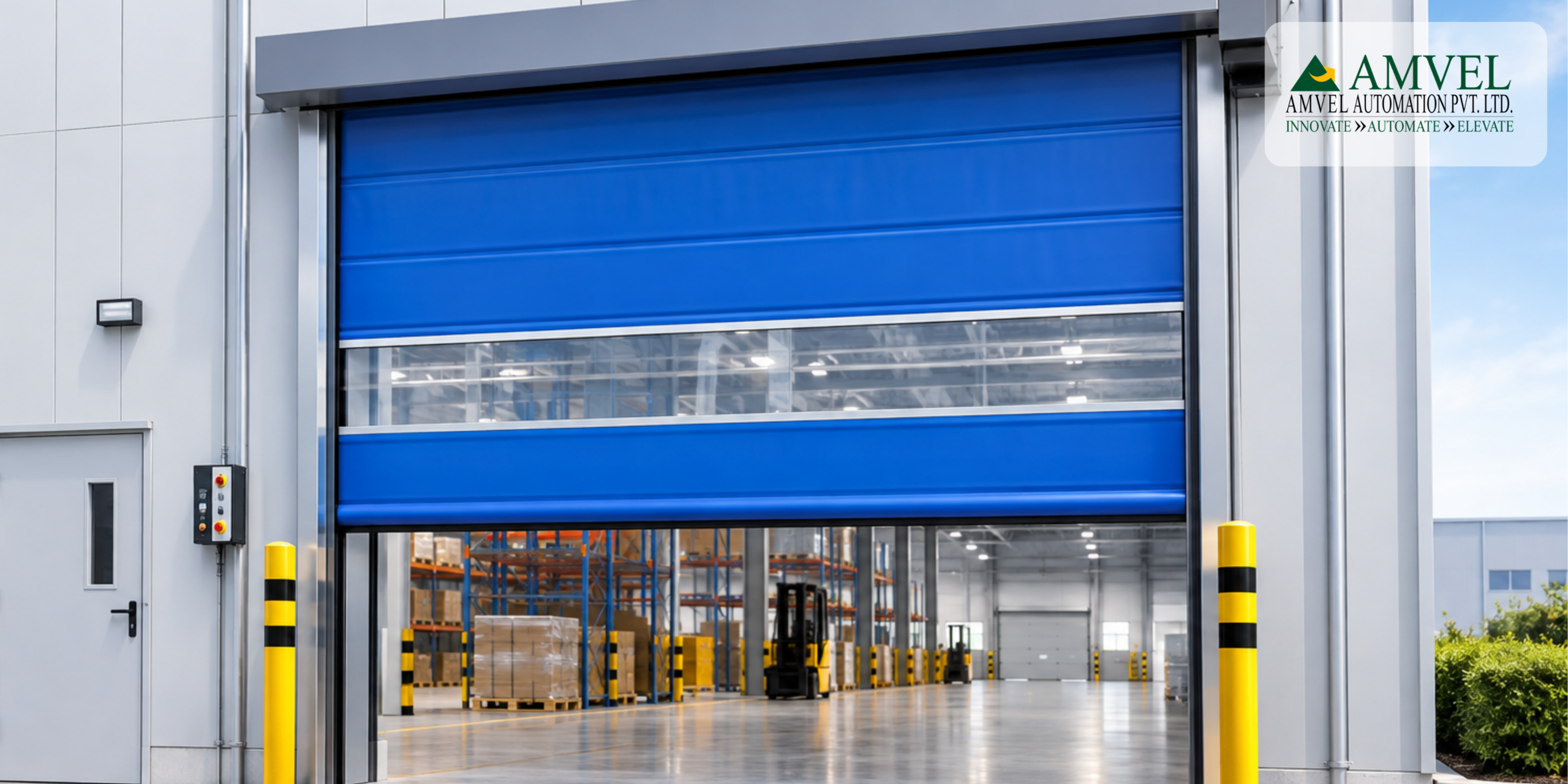
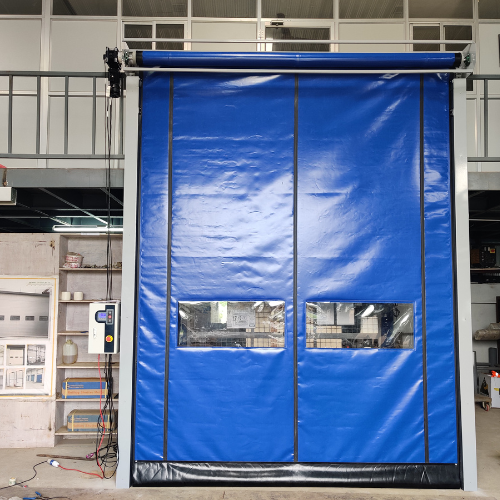
High speed doors, also known as high speed shutter doors or rapid roll-up doors, are specialized types of industrial doors designed to open and close at much faster rates than traditional doors. Often made from durable materials such as PVC or reinforced fabric, they are powered by advanced motors and can be integrated with automated systems like motion sensors or RFID access controls.
Unlike conventional sectional or roller doors, high speed doors are engineered to withstand high cycle operations, often opening and closing thousands of times per day without performance degradation. These doors are typically used in warehouses, distribution centers, cold storage units, and manufacturing plants, where speed, insulation, and hygiene are crucial.
Benefits of High Speed Doors in Warehouses
1. Faster Operations and Reduced Downtime
One of the primary benefits of high speed doors is their rapid opening and closing capability, often ranging between 1.5 to 3 meters per second. This reduces the time employees or automated vehicles like forklifts spend waiting for doors to open. In high-traffic zones within warehouses, these small time savings can quickly accumulate, leading to significantly increased productivity.
Moreover, this speed minimizes the risk of congestion and delays, which are common in busy loading docks or cross-docking stations. By enabling seamless movement of goods, these doors help in optimizing warehouse workflows.
2. Improved Energy Efficiency and Environmental Control
Maintaining a controlled internal environment is a major concern in most warehouses, especially in sectors like pharmaceuticals, food processing, or cold storage. Frequent door usage can lead to unwanted heat transfer, energy loss, or contamination.
High speed doors help mitigate this by limiting the duration of door openings, thus reducing air exchange between different warehouse zones or between inside and outside environments. This translates to lower energy costs, reduced HVAC load, and improved sustainability.
3. Enhanced Safety and Hygiene
Workplace safety is another area where high speed doors offer distinct advantages. These doors are equipped with advanced safety features such as photo-eye sensors, soft edges, and automatic reverse mechanisms that prevent accidents involving people or equipment.
In sensitive industries such as pharmaceuticals or food logistics, these doors also contribute to better hygiene and contamination control, as their fast action reduces the time external air or dust can enter critical areas. They can also be fitted with antimicrobial surfaces for enhanced sanitary performance.
4. Durability and Long-Term Cost Efficiency
High speed doors are built to endure high-cycle use, meaning they require minimal maintenance over time. They are constructed with impact-resistant materials and often have self-repairing features that allow the door curtain to realign automatically after minor collisions.
This not only extends the life of the door but also reduces downtime and maintenance expenses, offering a better return on investment compared to standard industrial doors. In demanding warehouse environments, long-term cost efficiency is as vital as initial capital investment.
Impact on Workflow and Productivity
Efficient logistics require coordination between storage, material handling, packaging, and dispatch operations. A bottleneck at any point in this chain can cause cascading delays across the entire system. High speed doors eliminate these bottlenecks at key access points—such as between storage zones and loading docks—by facilitating faster transitions.
In multi-zone warehouses where temperature control, hygiene, or restricted access are critical, high speed doors also help enforce zone boundaries without interrupting flow. For example, in a food processing warehouse, separating the production and packaging zones with high speed doors can maintain required temperature levels while allowing uninterrupted movement of goods.
When connected with smart warehouse systems, high speed doors can automatically respond to approaching personnel or vehicles. This level of automation ensures that the door is always ready when needed, further enhancing warehouse throughput and productivity.
Integration with Smart Systems and Automation
Modern warehouses are becoming increasingly digitized. Integration of high speed doors with warehouse management systems (WMS), automated guided vehicles (AGVs), and inventory control platforms is a crucial advantage.
Smart integration allows for:
- Remote operation through control panels or mobile apps
- Access control based on employee credentials
- Predictive maintenance alerts using sensors and data analytics
- Customized opening speeds based on usage patterns or time of day
These features contribute to a more intelligent and responsive warehouse ecosystem, where every component—doors included—plays a role in maximizing performance.
Consider a medium-sized logistics company that previously relied on manual roller doors in their sorting and distribution center. The doors were slow, resulting in frequent traffic buildup and delays in order dispatch. After installing high speed roll-up doors, the facility saw a 20% improvement in loading dock turnaround time and a noticeable reduction in energy bills due to better insulation.
Additionally, with sensor-based automation, forklifts were able to pass through without stopping, creating a smoother and safer workflow. The switch also led to fewer maintenance calls, freeing up internal resources for other priorities.
Conclusion
High speed doors are not just accessories—they are strategic assets in the pursuit of warehouse efficiency. By reducing operational delays, maintaining environmental control, enhancing safety, and supporting automation, these doors serve as a critical component of modern warehouse infrastructure.
For businesses aiming to remain competitive in the supply chain sector, investing in industrial high speed doors is a forward-thinking move. Whether you’re looking to improve throughput, cut energy costs, or create a safer workspace, high speed doors provide a versatile, durable, and efficient solution.
At Amvel Automation, we specialize in delivering advanced, high-performance automatic shutters and high speed door solutions designed to meet the dynamic needs of modern warehouses and industrial facilities. With a strong commitment to quality, safety, and innovation, our doors are engineered to boost operational efficiency, improve environmental control, and support seamless logistics.
Whether you’re upgrading an existing facility or designing a new one, Amvel Automation provides customized solutions that drive long-term value and performance.
Choose Amvel Automation – where speed meets precision.