
For manufacturers, understanding the intricacies of how hydraulic dock levelers work can help optimize production, enhance safety, and meet industry-specific requirements. In this blog, we delve into the functionality, components, and benefits of hydraulic dock levelers.
What is a Hydraulic Dock Leveler?
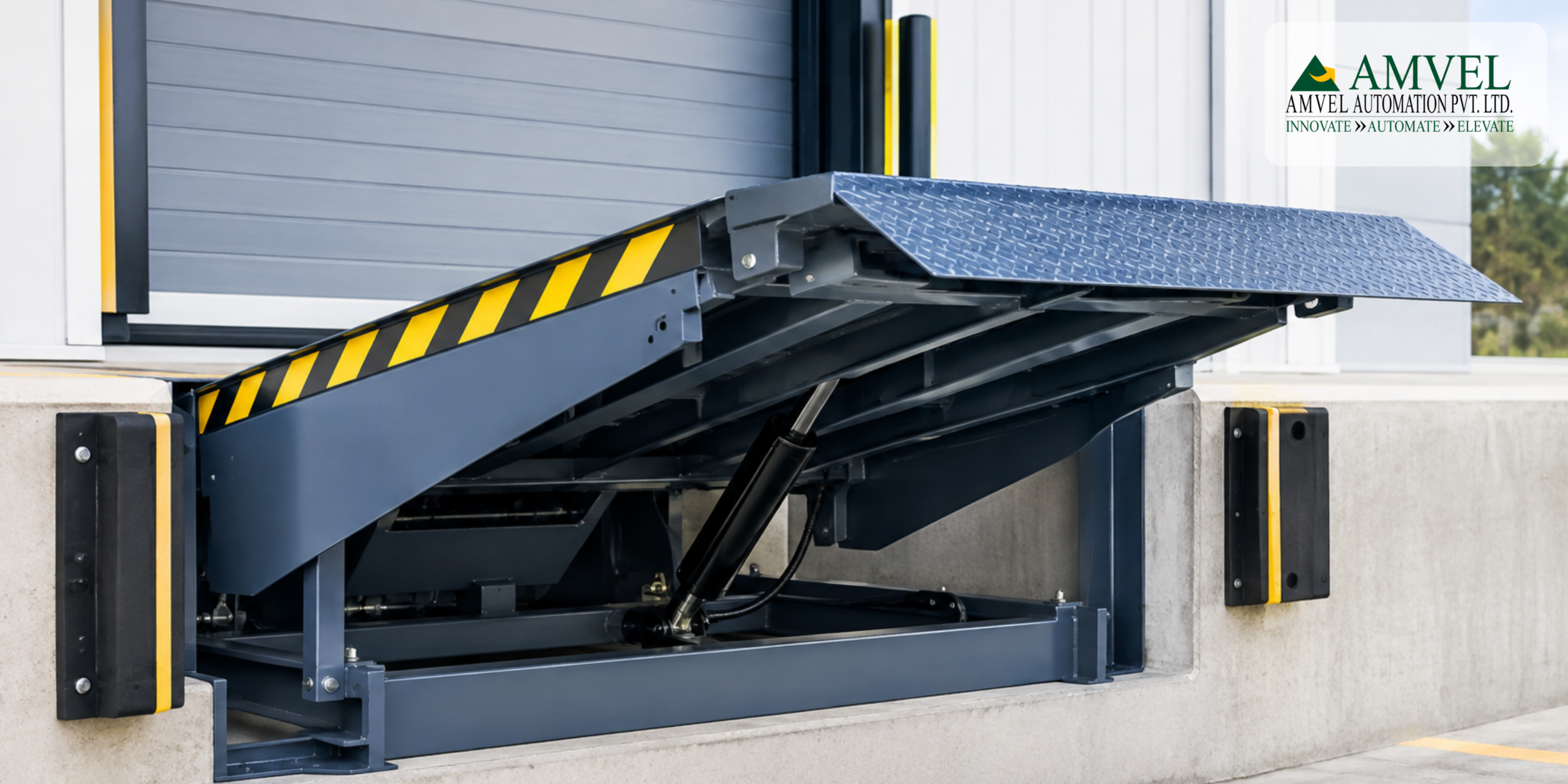
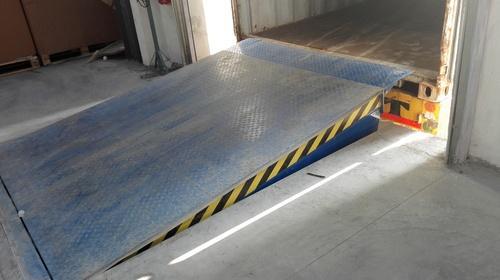
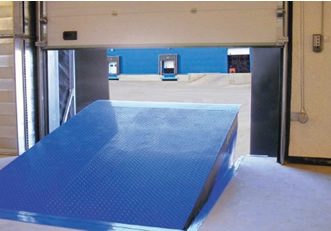
A hydraulic dock leveler is a device designed to provide a stable ramp between the loading dock and the trailer. It adjusts for differences in height between the dock and the vehicle bed, enabling forklifts or other material handling equipment to move safely and efficiently.
Unlike manual or mechanical dock levelers, hydraulic systems rely on powered components, making them more reliable, durable, and easy to operate.
Key Components of a Hydraulic Dock Leveler
A hydraulic dock leveler is a sophisticated system comprising multiple components, each playing a vital role. Let’s explore them in detail:
| Component | Description |
| Base Frame | The foundation of the dock leveler, securely mounted to the dock pit. |
| Lip Plate | A hinged plate that extends to connect the dock leveler with the trailer bed. |
| Hydraulic Cylinder | Provides the lifting force for the dock leveler and lip plate through pressurized hydraulic fluid. |
| Pump and Motor Unit | Powers the hydraulic system, controlling the flow and pressure of the hydraulic fluid. |
| Control Panel | User interface for operating the dock leveler, including buttons or levers for raising or lowering. |
| Safety Features | Includes toe guards, emergency stop mechanisms, and safety sensors for accident prevention. |
How Does a Hydraulic Dock Leveler Work?
The working mechanism of a hydraulic dock leveler can be summarized in three primary phases: activation, adjustment, and retraction. Below, we break down each phase step-by-step:
1. Activation Phase
When the operator initiates the dock leveler, either by pressing a button or activating a lever, the hydraulic system engages. The pump and motor unit activate, sending pressurized hydraulic fluid into the cylinder.
- Key Action: The hydraulic fluid generates enough force to lift the dock leveler platform.
- Outcome: The platform rises to a suitable height above the dock surface.
2. Adjustment Phase
Once the platform reaches the desired height, the hydraulic cylinder activates the lip plate. The lip plate extends outward and rests on the trailer bed, creating a seamless ramp.
- Key Action: Sensors ensure that the lip plate is securely positioned on the trailer to prevent slipping.
- Outcome: The dock leveler adjusts automatically to align with the trailer height, compensating for any vertical movement during loading or unloading.
3. Retraction Phase
After completing the material transfer process, the operator disengages the system. The hydraulic cylinder retracts, lowering the platform and lip plate back to their resting positions.
- Key Action: The hydraulic system smoothly retracts without sudden movements.
- Outcome: The dock leveler is safely stowed, ready for the next operation.
Advantages of Hydraulic Dock Levelers for Manufacturers
Hydraulic dock levelers offer several advantages, particularly for manufacturers focused on efficiency and safety. Here are some key benefits:
1. Enhanced Safety
- Hydraulic systems provide controlled movements, reducing the risk of accidents.
- Safety features such as toe guards and emergency stops add an extra layer of protection.
2. Operational Efficiency
- Quick and smooth operation speeds up loading and unloading.
- Automation minimizes manual effort, improving productivity.
3. Durability and Low Maintenance
- Hydraulic components are built to withstand heavy loads and frequent use.
- Regular maintenance involves minimal effort compared to mechanical systems.
4. Versatility
- Hydraulic dock levelers are suitable for various vehicle heights and load types.
- Customizable features allow manufacturers to tailor the levelers to specific needs.
Applications of Hydraulic Dock Levelers in Manufacturing
Hydraulic dock levelers are widely used across multiple manufacturing sectors, including:
- Automotive: For handling bulky car parts or machinery.
- Food and Beverage: To facilitate the transfer of perishable goods under strict timelines.
- E-commerce: To manage the high volume of goods in warehouses.
- Pharmaceuticals: For the careful handling of sensitive and valuable cargo.
Hydraulic Dock Leveler Maintenance Tips for Manufacturers
To ensure the longevity and optimal performance of hydraulic dock levelers, manufacturers must implement a robust maintenance routine. Here are some practical tips:
| Maintenance Task | Frequency | Details |
| Inspect hydraulic fluid levels | Monthly | Check for adequate levels and replace if contaminated or degraded. |
| Examine safety features | Quarterly | Ensure that toe guards, sensors, and emergency stops are functioning correctly. |
| Test the control system | Monthly | Verify that the control panel responds accurately to commands. |
| Lubricate moving parts | As needed | Prevent wear and tear on hinges and other mechanical components. |
| Clean the dock leveler | Weekly | Remove dirt, debris, and any spilled fluids to prevent malfunction. |
Choosing the Right Hydraulic Dock Leveler
Manufacturers should consider the following factors when selecting a hydraulic dock leveler:
- Load Capacity: Ensure it can handle the maximum weight of your materials and equipment.
- Platform Size: Match the dimensions of your loading dock and trailers.
- Durability: Look for corrosion-resistant materials and a robust design.
- Automation Features: Consider advanced control panels for seamless operation.
- Customizations: Choose a manufacturer that offers tailored solutions for your specific needs.
Conclusion
Hydraulic dock levelers are a cornerstone of modern manufacturing and logistics. Their ability to adapt to various operational demands, enhance safety, and improve efficiency makes them a valuable investment. By understanding their working mechanisms and maintenance requirements, manufacturers can optimize their operations and ensure a smooth material handling process.
At Amvel Automation, we are a leading hydraulic dock leveler manufacturer in India , specialize in providing cutting-edge hydraulic dock levelers designed to streamline your logistics operations. Our solutions are engineered with precision, prioritizing safety, durability, and efficiency to meet the diverse needs of manufacturers. By choosing Amvel Automation, you’re not just investing in equipment—you’re ensuring seamless operations, enhanced productivity, and long-term reliability.
Reach out to us today to explore how our hydraulic dock levelers can transform your material handling processes and elevate your operational efficiency. Together, let’s build a smarter, safer future for your business.
As a manufacturer, partnering with a reliable hydraulic dock leveler provider can further enhance your business operations. Choose a supplier that prioritizes quality, durability, and innovation to meet your unique needs.
By integrating hydraulic dock levelers into your facility, you’re not just improving functionality—you’re paving the way for safer, faster, and more efficient logistics.