
Understanding Dock Levelers
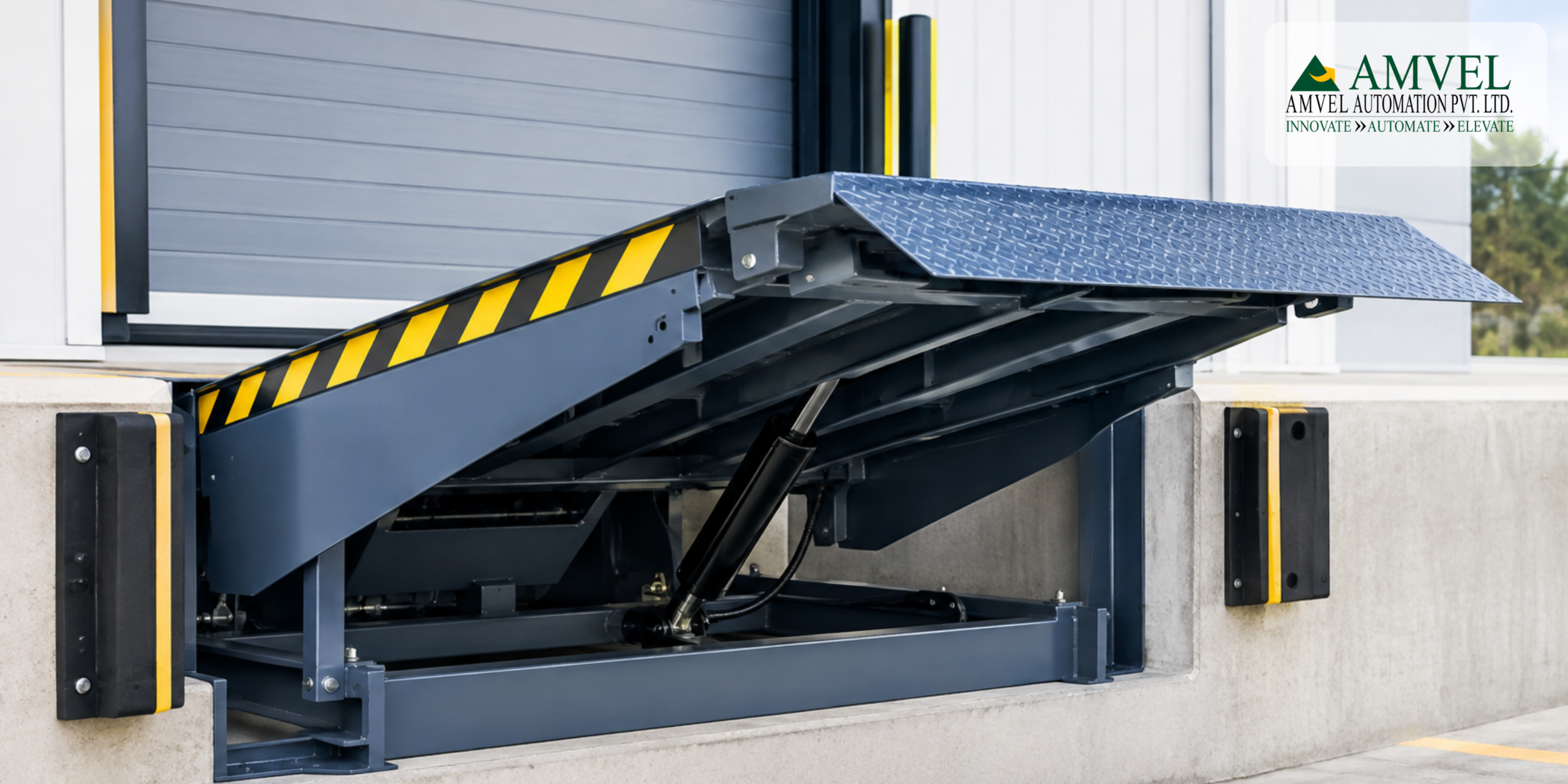
A dock leveler is a mechanical device installed at the edge of a loading dock to bridge the height and gap differences between the dock and a truck bed. This ensures easy movement of goods using forklifts, pallet jacks, or hand trucks. Dock levelers are designed to improve productivity while minimizing risks associated with uneven dock-to-truck transitions.
Types of Dock Levelers
Dock levelers come in various types to meet the demands of different operations and truck types. Below are the most common varieties:
- Mechanical Dock Levelers
- Operated manually with a pull-chain mechanism.
- Cost-effective and reliable for standard applications.
- Hydraulic Dock Levelers
- Powered by a hydraulic system for ease of operation.
- Ideal for high-frequency usage and heavy loads.
- Air-Powered Dock Levelers
- Use an airbag or air bladder system to raise and lower the platform.
- Suitable for environments where maintenance needs to be minimized.
- Vertical Dock Levelers
- Stand vertically when not in use, ensuring cleanliness and security.
- Best for facilities with strict hygiene standards.
- Edge-of-Dock Levelers
- Mounted at the edge of the dock and suitable for minimal height differences.
- Economical for operations with consistent truck sizes.
Key Features That Enable Compatibility with Various Trucks
The ability of a dock leveler to handle different types of trucks depends on its design and features. Let’s look at the essential elements that enhance versatility:
- Adjustable Height Range
- Dock levelers can typically accommodate height variations ranging from a few inches below the dock level to several inches above it. This flexibility allows them to match different truck bed heights, from standard trailers to low-profile vans.
- Weight Capacity
- Dock levelers are engineered to support various load capacities, from lightweight goods to heavy machinery. Choosing a leveler with an appropriate weight capacity ensures it can handle diverse cargo and truck types.
- Lip Extension
- The lip of the dock leveler bridges the gap between the dock and the truck. Extended or telescoping lips can cater to trucks with unique configurations, such as those with liftgates.
- Safety Features
- Anti-slip surfaces, safety stops, and side guards ensure secure operations across different truck profiles.
- Customization Options
- Customizable dimensions and advanced features make dock levelers adaptable to specialized trucks or unconventional docking setups.

Types of Trucks Dock Levelers Can Accommodate
Given their versatile design, dock levelers can cater to a wide range of truck types. Here are the most common examples:
- Standard Semi-Trailers
- These trucks have consistent bed heights, making them compatible with most dock levelers.
- Refrigerated Trucks
- Refrigerated trucks may have insulated floors, requiring dock levelers with non-damaging surfaces and precise height adjustments.
- Flatbed Trucks
- Dock levelers with extended lips can bridge the wider gaps associated with flatbed trucks.
- Box Trucks
- Box trucks, often used for last-mile deliveries, have variable bed heights. Adjustable dock levelers ensure a smooth transition.
- Low-Profile Trucks
- Trucks with lower bed heights, such as those used for specialized cargo, require dock levelers with a wider downward adjustment range.
- High-Cube Trucks
- These vehicles, designed for oversized cargo, may demand levelers with higher weight capacities and extended height ranges.
Advantages of Using a Versatile Dock Leveler
- Increased Productivity
- A single dock leveler that handles multiple truck types streamlines operations, reducing delays and manual adjustments.
- Enhanced Safety
- Eliminating the need for makeshift solutions decreases the risk of accidents and equipment damage.
- Cost Efficiency
- Investing in a versatile dock leveler eliminates the need for multiple devices, saving on equipment and maintenance costs.
- Improved Flexibility
- The ability to service various trucks ensures business operations remain adaptable to changing logistical needs.
Factors to Consider When Choosing a Dock Leveler for Multiple Truck Types
- Operational Requirements
- Evaluate the types of trucks and goods your facility handles regularly to select a dock leveler that meets your needs.
- Load Capacity
- Choose a dock leveler with a load capacity exceeding your heaviest anticipated cargo to ensure durability and reliability.
- Dock Design
- Assess your dock’s height, width, and layout to determine the right size and type of leveler.
- Frequency of Use
- High-usage facilities benefit from hydraulic or air-powered levelers due to their efficiency and low maintenance needs.
- Climate and Environment
- Consider environmental factors such as temperature, moisture, and cleanliness requirements when selecting materials and finishes.
Maintenance and Best Practices for Prolonged Performance
To ensure the longevity and reliability of your dock leveler, regular maintenance is crucial. Here are some tips:
- Routine Inspections
- Check for signs of wear and tear, such as damaged lips or hydraulic leaks.
- Lubrication
- Keep moving parts well-lubricated to prevent friction and ensure smooth operation.
- Cleaning
- Remove debris and clean surfaces to maintain optimal performance.
- Professional Servicing
- Schedule periodic servicing by qualified technicians to identify and address potential issues early.
- Training for Staff
- Ensure that operators are trained in the proper use of dock levelers to avoid misuse and accidents.
Conclusion
In the fast-paced world of logistics and warehousing, versatility and efficiency are paramount. Dock levelers, with their adjustable features and robust designs, are indeed capable of handling different types of trucks. From standard trailers to low-profile or high-cube trucks, a well-chosen dock leveler ensures smooth operations and adaptability.
By understanding your facility’s specific requirements and investing in a high-quality dock leveler, you can improve productivity, safety, and cost-efficiency. Partnering with a trusted dock leveler manufacturer ensures you receive a product tailored to your needs, offering long-term value and reliability.
Dock levelers prove to be an indispensable tool for streamlining operations. Their versatility in accommodating different types of trucks not only enhances efficiency but also ensures safety during loading and unloading. At Amvel Automation, we take pride in providing cutting-edge dock leveler solutions designed to meet diverse operational needs, from standard freight carriers to specialized vehicles.
By investing in a high-quality dock leveler from Amvel Automation , businesses can achieve seamless operations, minimize risks, and optimize productivity. Partner with us today and experience the difference that innovation and expertise can bring to your material handling processes.
We are Leading Dock Leveler Manufacturer in India
Supplying Our Dock Leveler to many warehouses across India. We have different types of custom dock levelers include Mechanical Dock Levelers, Hydraulic Dock Levelers,Air-Powered Dock Levelers, Air-Powered Dock Levelers and Edge-of-Dock Levelers